Leave Your Message

Blog

What Are Oven Roasting Bags Used For?

What Are Oven Roasting Bags Used For?

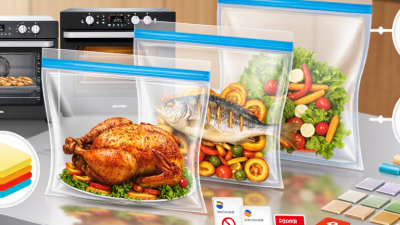
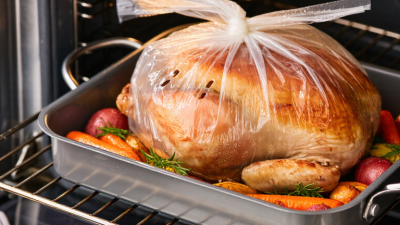
So, oven roasting bags are basically these heat-resistant bags you put food in, then pop the whole thing in the oven. They're a go-to for whole poultry, roasts, and vegetables. The bag does a nice job of holding in all the juices, which means your pan stays a lot cleaner—that alone is a win. It also creates a bit of a steamy environment, so some things come out more moist, though honestly it varies depending on what you're cooking, your oven, and how long you leave it in. So yeah, they're genuinely convenient. But they have their limits too. Let’s be honest—when it comes to food safety, looks can be deceiving. That golden-brown turkey or clear juices might seem like a good sign, but what really matters is temperature. The USDA’s Food Safety and Inspection Service has a handy chart that says poultry needs to hit 165°F (74°C) inside, and the only way to know for sure is to use a food thermometer. So don’t just eyeball it. Stick the thermometer into the thickest part of the meat, make sure it’s not touching any bone, and you’re good to go. And don’t forget to follow the bag maker’s directions, too—some call for flour, a specific pan size, or a few slits to let steam escape. Also, just make sure the bag never touches the oven’s heating element or walls, no matter what. Okay, so this guide is all about oven roasting bags—what they’re actually good for, what foods work well in them, and how to use them safely. I’ll also try to sort out what’s genuinely helpful from what’s just hype. Sure, a bag can cut down on splatter, but it’s not going to magically give you crispy skin or make everything cook evenly, and it won’t necessarily speed things up either. Little things matter more than you’d think. Read the label, make sure there’s room for air to circulate, and always double-check with a thermometer to see if it’s done. The USDA FSIS has some good safety guidelines to keep in mind, but at the end of the day, the instructions that come with your specific bag are the ones you should follow.
Read more »
Oliver By:Oliver - November 9, 2026
2026 Best Sterilising Bags for Global Buyers

2026 Best Sterilising Bags for Global Buyers

When you're sourcing sterilising bags from global suppliers, it's not just about grabbing any old pouch. You've got to think about the sterilization method you're using, what instruments you're putting in, and how they'll be handled after processing. And sure, a seam might look perfect under the warehouse lights, but that doesn't mean it'll seal properly when it matters. Don't forget—a clear film isn't just for looks; it helps your staff quickly see what's inside, saving everyone a headache. So, labels really need to hold up, you know? Like, they've got to stay readable even after getting rained on or banged up during shipping. And honestly, it's the little things that end up mattering the most—people don't realize that until something goes wrong. So, the CDC guideline—co-authored by Dr. William A. Rutala, an expert in infection prevention—defines sterilization as 'a process that destroys or eliminates all forms of microbial life.' Pretty straightforward, right? But here's the thing: that definition highlights a crucial distinction. The bag supports a validated process; it doesn't replace it. So when you're buying, don't just skim the surface. You've gotta look at the product specs, check the compatibility information, inspect the seal quality, and read the manufacturer's instructions thoroughly. And don't forget to check the requirements for the markets you're shipping to—different places have different rules, and you don't want to get caught off guard. You know, product names can be so similar sometimes—they all kind of blur together. But honestly, what really matters is the performance evidence. That's way more useful, don't you think? So, when you're comparing sterilising bags, it's not just about the specs – you've got to think about material, size options, how they seal, whether you can trace them, and also the supplier's support. Like, a dental clinic might just need small pouches for individual tools, while a central processing team probably cares more about getting consistent seals when doing large batches. And let's face it, there's no one-size-fits-all answer here. Even a really well-made pouch can end up disappointing you if the size is off, the storage conditions aren't right, or it just doesn't fit your workflow. Honestly, a good shortlist starts with knowing exactly what you need, having your facts written down, and asking suppliers questions they can actually answer on the spot.
Read more »
Emma By:Emma - November 4, 2026
Top 10 Best Vacuum Sealer Rolls for Food Storage

Top 10 Best Vacuum Sealer Rolls for Food Storage

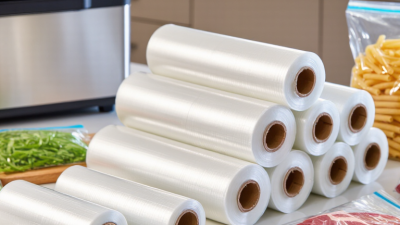
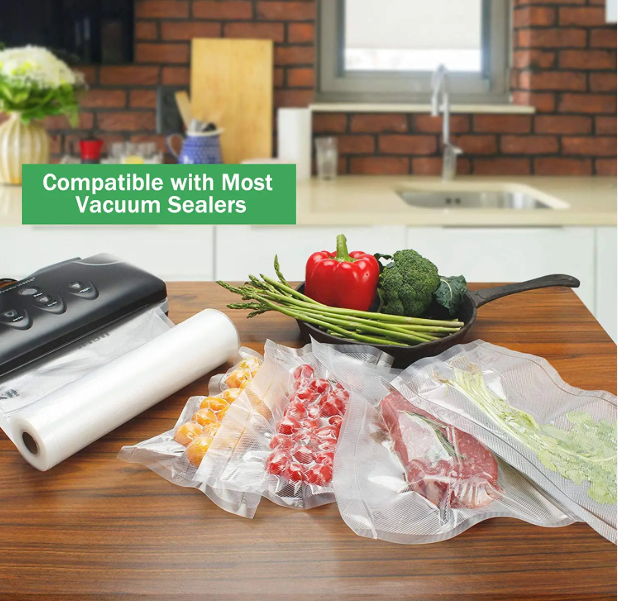
Let’s be honest—picking the right Vacuum Sealer Rolls can make a world of difference when it comes to everyday food storage. You want something that actually fits your sealer, cuts cleanly without fuss, and seals tightly without wasting half the roll. Thickness, texture, width, compatibility—it all adds up. And what you’re planning to store matters just as much. You know, a narrow roll can be perfect if you're just making single portions. But if you've got bigger cuts—or a whole family to feed—you'll probably want something wider. And hey, the little details really do matter. So, you're looking for the best vacuum sealer rolls for food storage? This guide breaks down the top 10 options, and it focuses on the stuff you'd actually want to check—like dimensions, how they're made, how easy they are to cut, and whether they work with your machine. We also get into how useful each roll might be for portioning meat, keeping dry goods fresh, or getting your freezer meals organized. Now, a good seal can definitely help keep air out, but it won't magically fix bad food safety habits or make up for wrong storage temps. Just something to keep in mind. Honestly, there’s no such thing as the perfect sealer roll for every kitchen. What works great with one machine might not work at all with another, and the right choice really depends on how often you’re sealing food. Price per roll is a handy number, sure, but it doesn’t tell the whole story. Before you buy, take a minute to compare the specs with your sealer’s instructions — yeah, it’s an easy step to skip, but it’s worth doing. These picks are meant to help you narrow things down, not to promise identical results in every home. Oh, and one more thing—if you're ever unsure about how it fits or whether it'll seal properly, just test a small bit first. Better safe than sorry!
Read more »
Emma By:Emma - October 30, 2026
Top Oven Bags Manufacturers for Global Buyers

Top Oven Bags Manufacturers for Global Buyers

You know, oven bags are really becoming a go-to packaging choice these days for retailers, foodservice suppliers, and even everyday household brands. They're awesome for keeping your cooking clean, helping with portion control, and just making life easier when you're handling food. But here's the thing: not all oven bags are created equal. Different manufacturers have wildly different quality levels. You've really got to pay attention to stuff like the film structure, how strong the seals are, how well they handle heat, and whether they keep those funky odors at bay. I mean, it's worth taking the time to compare all that before you commit. If you're buying from other countries, you really need to focus on the concrete specs, not just the marketing fluff. The catalog might sound all nice and fancy, but you've got to dig into the actual numbers—the measurements and performance data that really matter. Trust me, that's where the truth lies. So, Mordor Intelligence's 2024 report on flexible packaging points to convenience, longer shelf life, and lighter materials as the big reasons the market's growing. And Smithers' forecast, *The Future of Global Flexible Packaging to 2028*, echoes that, noting a steady appetite for high-performance films and more sustainable options. That probably explains why companies like Reynolds Kitchens, Sealed Air, Berry Global, Mondi, and ProAmpac are all getting more interested in Oven Bags—makes sense, right? Okay, so they might have all these capabilities—you know, multilayer film production, printing, converting, quality testing, the whole nine yards. But here's the thing: just because a company is big doesn't automatically mean they're the right fit for what you need. Honestly, it's the little details that really matter. Those are what make or break a partnership. Alright, when you're vetting suppliers, you really need to make sure they come through with all the essentials—things like food-contact declarations, migration testing, temperature limits, batch traceability, and clear instructions on ventilation and how to actually use their stuff. And here's a tip: ask for samples that have been tested in real ovens, with greasy foods, and under various cooking times—that's a big one. On the quality side, using ASTM or ISO-based systems can seriously boost your supplier evaluation process, but watch out—regional requirements can really differ between, say, the US, the EU, and other markets. And about those sustainability claims—yeah, you should definitely scrutinize those extra hard. Don't just take them at face value. Here's the thing about recyclability – it really depends on where you live and what the film is actually made of. It's honestly a bit of a gray area right now. You'd think suppliers would be all over this, but some of them talk a better game than they deliver, if you know what I mean. The proof isn't always there. So, what we've done here is put together a comparison of the major Oven Bags manufacturers, looking at things like how consistent their products are, how much experience they've got under their belts, the kind of documentation they provide, whether they can customize, and if their international supply chain is actually reliable. Now, don't get me wrong, price is a factor – nobody wants to overpay. But honestly, it shouldn't trump safe performance and quality you can verify. That's just the bottom line.
Read more »
Oliver By:Oliver - October 26, 2026
How to Choose the Right PE Shrink Film Supplier?

How to Choose the Right PE Shrink Film Supplier?

Picking the right Pe Shrink Film supplier? It actually matters more than it seems — it affects how strong your packaging is, how the final product looks, and whether day-to-day production keeps running smoothly. Sure, a low price can be tempting. But sometimes that low number hides inconsistent thickness, weak seals, or deliveries that show up late. So honestly, the better question is pretty simple: when things change, can this supplier still deliver reliably? Honestly, after doing a lot of practical packaging evaluations, one thing I've learned is that choosing film really starts with numbers—measurable requirements. You want to pin down film width, thickness, shrink ratio, sealing temperature, load weight, and what kind of machine you're running. Then ask suppliers for tech data sheets and recent test samples. A supplier who's actually serious should be able to explain how their film handles sharp corners, uneven loads, and long transport routes. Little things matter more than you'd think, too. I mean, one loose seal can mess up a whole pallet. Verifying a supplier? A slick website really doesn't tell you much. You've got to dig into their actual production equipment, quality-control procedures, batch records, and—yes—customer references. Ask for proof of any relevant certifications, but don't just glance at them; check what they actually cover and whether they're still valid. And talk to their technical team. An experienced one should be able to get into material consistency, storage conditions, and troubleshooting without dodging the tough questions. If you can, go see the factory yourself or set up a live production audit. And honestly? That step often ends up revealing a lot more than sales presentations do. Also, sustainability is worth a closer look. Ask if recycled content is actually available, and whether performance changes once it is included. Don't just take vague environmental claims at face value. Get clear specifications and supporting documentation. No supplier is perfect, of course. Even seasoned buyers can miss lead times, replacement policies, or gaps in communication. A thoughtful comparison should note these risks before you sign anything. Look, when it comes to PE shrink film, the best partner isn't just the cheapest option. It's the supplier who gives you consistent quality, straight-up data, responsive support, and practical solutions that keep up as your packaging needs change.
Read more »
Oliver By:Oliver - October 23, 2026
Why Do Global Buyers Choose Ziplock Bags?

Why Do Global Buyers Choose Ziplock Bags?

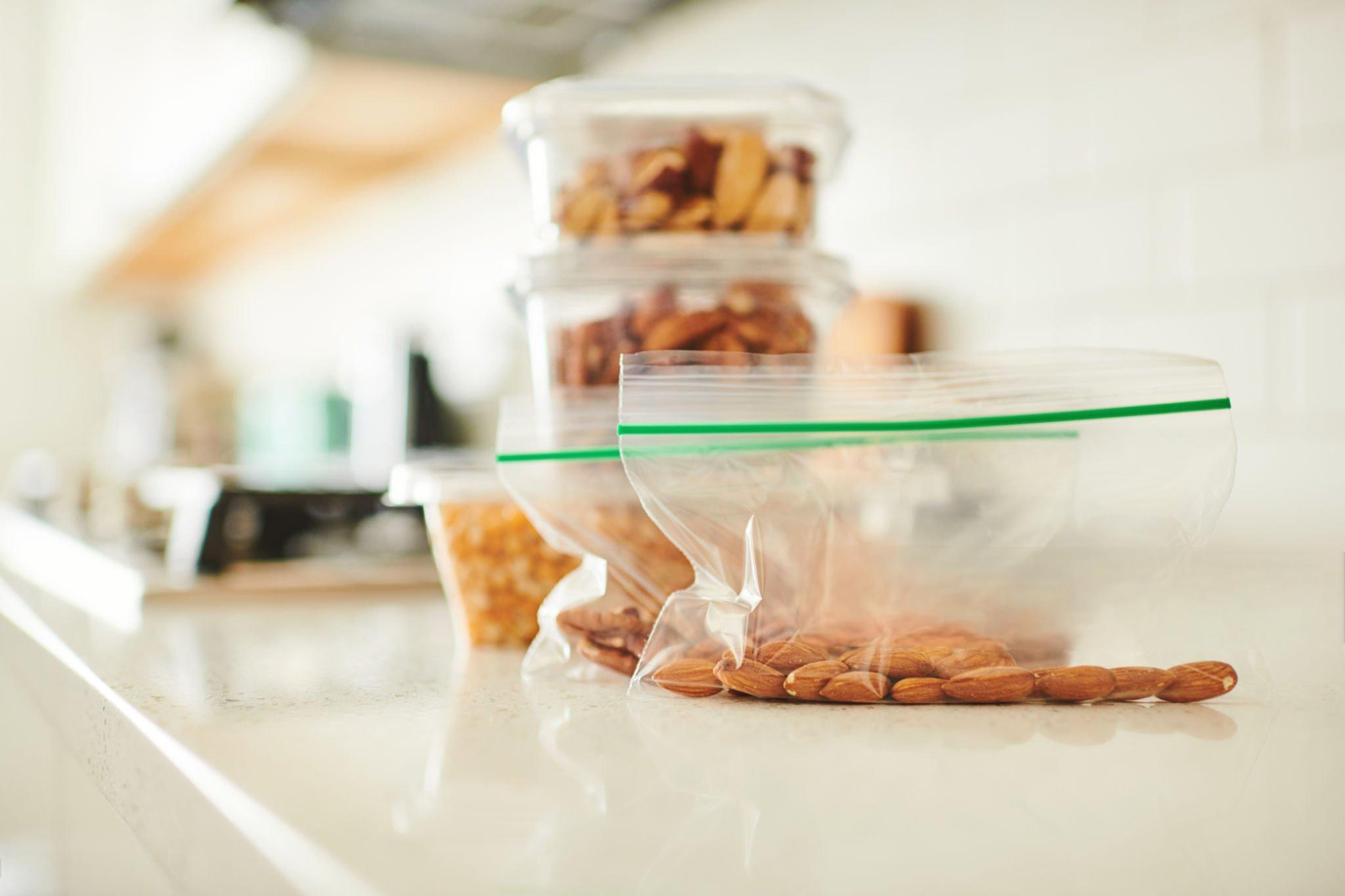
Why Do Global Buyers Choose Ziplock Bags? Global buyers often choose Ziplock Bags because they combine convenience, visibility, and repeated use. A resealable closure helps protect contents from dust, moisture, and accidental spills. The transparent surface also allows quick product identification during storage, shipping, or retail handling. For small components, snacks, stationery, and household items, this simple design can reduce sorting time. It can also support cleaner workflows in warehouses and homes. Practical experience matters. Buyers usually compare seal strength, film thickness, clarity, odor, and package size before placing larger orders. Reliable suppliers should provide material details, production information, and consistent quality checks. Buyers may also request samples before approving regular shipments. Small details matter. However, Ziplock Bags are not the perfect answer for every product. Some contents need stronger barriers, specialized protection, or controlled storage conditions. A bag that works well for dry goods may perform poorly with sharp edges or heavy items. This point is easy to overlook. Packaging decisions should consider product characteristics, transport distance, climate, and local safety requirements. Clear labeling and responsible material selection can improve trust across international markets. Even experienced buyers can misjudge performance when they rely only on photographs or price. Careful testing remains the more dependable approach.
Read more »
Lila By:Lila - October 20, 2026
7 Tips for Choosing the Best Vacuum Sealer Bags?

7 Tips for Choosing the Best Vacuum Sealer Bags?

Choosing the right vacuum sealer bags matters way more than chasing the lowest price. I mean, sure, a bag can look tough and sturdy at first. But then it splits around a sharp bone, or quietly loses its seal overnight. And just like that, you've wasted food, time, and money. Grand View Research put the global vacuum packaging market at about USD 29.64 billion in 2023, and growth is expected to keep going through 2030. That number shows strong demand, yes. But demand doesn't automatically mean every product is good. Buyers still have to use some practical judgment. This guide shares seven useful tips for picking Vacuum Bags For Vacuum Sealer machines. The focus is pretty straightforward: material thickness, sealing compatibility, texture, food safety, bag size, storage conditions, and supplier reliability. The U.S. Department of Agriculture confirms that vacuum packaging can reduce oxygen exposure. But it doesn't replace refrigeration or safe food handling. That detail really matters. A well-sealed bag can't fix bad storage habits. Real kitchen experience also turns up problems people often overlook. A glossy bag might create weak seals once moisture hits the sealing strip. A narrow roll might leave too little room for trimming and resealing. Some low-cost bags work fine the first time, then curl under heat. And not every 'commercial-grade' claim is independently verified. So before ordering, check technical specs, product testing, and manufacturer guidance. Even experienced users mess up sometimes. These seven tips are meant to cut down on those mistakes, while leaving room for one honest thought: the best bag depends on your machine, your food, and your storage plan.
Read more »
Oliver By:Oliver - October 16, 2026
Top Oven Bag Manufacturers for Global Buyers?

Top Oven Bag Manufacturers for Global Buyers?

Picking the right Oven Bags manufacturer really matters—it can impact everything from safety and how well the cooking turns out, to how much customers trust your product. And you know what? Buyers around the world don’t just compare prices; they look closely at material quality, heat resistance, how well the sealing holds up, packaging clarity, and whether the production is consistent. A good supplier won't just tell you they’re reliable—they should also explain their film structure, temperature guidelines, quality checks, and testing methods. Having proper documentation is a big deal, but so is having open, straightforward communication. This guide introduces some of the top Oven Bags manufacturers and looks at them from a practical buying perspective. We consider things like how long they’ve been in the game, their ability to export, support for private labels, minimum order sizes, and how reliable their delivery is. Don't forget—if you’re selling food-contact products, it’s smart to double-check their compliance with local regulations because rules can differ quite a bit depending on the region. Sharing clear technical info helps avoid misunderstandings that could otherwise cause headaches. Now, no supplier is perfect. Maybe one offers really good prices but limited options to customize. Another might be super helpful with technical support but needs larger orders. These kinds of trade-offs are worth thinking about. It’s also wise to test product samples with your usual recipes, cooking temps, and packaging to see how they actually perform. A bag that does great in the lab might not hold up so well in a busy commercial kitchen—that’s something easily overlooked. Keep in mind, the companies I’m talking about aren’t ranked by reputation alone. Whether they’re right for you depends on your target market, the format of your product, your forecasts, and how high your standards are. Always verify their current certifications, factory details, audit records, and shipping terms directly—just relying on their slick websites isn’t enough. Doing your homework is key. With some careful comparison, importers, retailers, food brands, and distributors can put together a solid shortlist of trusted suppliers. Remember, the goal isn’t just to find the cheapest option—it’s about finding a manufacturer who can consistently deliver safe, reliable, and practical Oven Bags you can count on over the long haul.
Read more »
Emma By:Emma - October 4, 2026
What Is a Quad Seal Pouch and How Is It Used?

What Is a Quad Seal Pouch and How Is It Used?

So, a Quad Seal Pouch is basically a flexible bag with four reinforced vertical seams and a sturdy, squared-off bottom. The shape isn't just for looks—it's actually pretty clever because it gives you a wider front panel, making it stand out on the shelf, and also offers more internal space for whatever you’re packing. You’ll usually find these pouches used for coffee, pet food, snacks, grains, powders, and other dry goods. Plus, they can be customized with features like zippers, tear notches, degassing valves, or high-barrier films, depending on what you need. Industry data shows that these pouches are becoming more and more important. According to the Flexible Packaging Association’s 2024 report, sales of flexible packaging in the U.S. hit around $40 billion in 2023. And research from Smithers points out that lightweight formats, barrier performance, and material efficiency will keep being major focus areas through 2028. Though, it’s worth noting that these reports don’t break down every single use of a Quad Seal Pouch specifically—and that’s a big deal because market size can really vary depending on the region, product type, and research methods involved. Alison Keane, who's the President and CEO of the Flexible Packaging Association, describes flexible packaging as “the most resource-efficient form of packaging,” and honestly, a Quad Seal Pouch kind of backs that up with less material use and easier shipping. That said, its performance totally depends on stuff like the film you pick, the seal design, your filling equipment, and how you handle disposal afterward. It’s not a perfect fix, because while it cuts down on shipping weight, its layered structure can make recycling tricky. This guide will walk you through how this pouch works, where it shines, and what kind of practical trade-offs your packaging team should think about before jumping in.
Read more »
Oliver By:Oliver - October 1, 2026
Top Vacuum Sealer Bags for Food Storage

Top Vacuum Sealer Bags for Food Storage

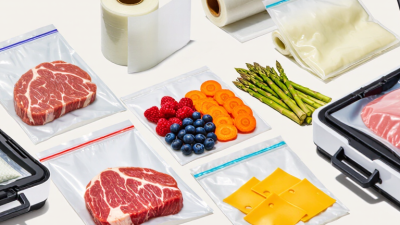
Picking the right vacuum sealer bags can really make a difference when it comes to keeping your food fresh—think fewer freezer burns, fewer spills, and avoiding that stale taste. But honestly, what’s considered 'best' really depends on your specific sealer, what you're storing, and how long you plan to keep it. For example, textured bags tend to work pretty well with most suction-style machines, but some chamber sealers actually prefer smooth bags. It’s a good idea to double-check your machine’s manual before picking out bags—trust me, catching that little detail can save you from the frustration of a failed seal. This guide covers everything—things like bag thickness, materials, how strong the seal is, options for rolls, and compatibility with your device. It’s also handy for everyday stuff, whether you’re portioning out berries, storing a big cut of meat for the week, or anything in between. Make sure to look for clear specs and food-contact info on the packaging. And hey, if you’re planning to microwave, boil, or sous vide your food right in the bag, just double-check that the manufacturer says it’s safe to do so. A good seal is super important, but it’s not a substitute for proper food handling and correct storage temperatures. Remember, vacuum bags aren’t one-size-fits-all, and not every bag works with every machine. Thinner bags tend to be easier to handle, but they’re also less durable if you’re storing bones or sharp-edged stuff. Thicker bags can give you more protection, though they usually cost a bit more. One thing to keep in mind: I didn’t find any verified quotes from industry experts on this, so I’m not throwing in a name or making up any claims. Instead, I want to focus on practical tips and details you can easily check yourself when choosing the right bags.
Read more »
Emma By:Emma - September 27, 2026
Why Are Odor Proof Bags Important for Global Shipping?

Why Are Odor Proof Bags Important for Global Shipping?

You know, in global shipping, things rarely go totally wrong because of some big, dramatic incident. More often, it’s the small issues—like tiny weaknesses in packaging—that build up during storage, customs checks, truck transfers, or the final stretch to the customer. The World Bank’s Logistics Performance Index 2023 looked at 139 countries, scoring them on tracking, infrastructure, logistics skills, and how timely everything gets delivered. What they’re really telling us is pretty straightforward: parcels often spend days bouncing around in unpredictable environments. That’s where Odor Proof Bags come in—they're a game-changer, especially when you need to contain stronger smells and keep things looking clean and professional. Check them out [here](https://www.jointhopepack.com/odor-proof-bags). They’re not just a nice-to-have; they actually make a difference. Imagine a sealed bag sitting inside a warm delivery van, stacked next to textiles, paper boxes, or personal care items. A sturdy odor barrier can block smells, keep neighboring packages from absorbing odors, and help ensure customers get a consistent experience. According to DHL’s Global Connectedness Report 2024, international trade relies on some pretty intricate, multi-step networks. So, the packaging can’t just work inside your warehouse—it has to keep performing through vibrations, pressure shifts, handling, and even temporary delays. No package is magic, though. Odor Proof Bags can’t fix poor sealing, incompatible materials, moisture issues, or wrong labeling. Standards like ASTM D3078 are recognized methods for checking leaks in flexible packaging, while ISO 18601 encourages designing packaging that’s both efficient and environmentally friendly. But, keep in mind, these standards don’t replace product-specific testing—they just give you a solid starting point. Market research from Smithers highlights that barrier performance, material efficiency, and sustainability are all connected, and a responsible shipping setup should verify odor resistance, seal strength, recyclability, and compliance before scaling up. That kind of careful planning ensures your product quality stays high—without relying on empty promises about odor control.
Read more »
Emma By:Emma - September 22, 2026
How to Choose the Right Squeeze Pouch for Your Product

How to Choose the Right Squeeze Pouch for Your Product

Picking the right Squeeze Pouch isn’t just about how it looks — it really starts with understanding the product itself first. Sure, a shiny, glossy pouch might catch your eye, but that doesn’t mean it’s going to hold up during filling, shipping, or repeated use. Things like the texture of your product, its acidity, oil content, how long it needs to stay fresh, and how much pressure is needed to dispense all play a role. David Luttenberger, who’s a packaging expert and the Global Packaging Director at Mintel, put it simply: “Packaging is the silent salesperson.” And honestly, that couldn’t be more true when choosing a Squeeze Pouch. It’s got to show quality, protect what’s inside, and also feel good in your hand—like, it should be comfortable to hold. For example, if you’ve got a thick sauce, you might need a wider opening and stronger seals. If it's a fruit puree, it’ll probably need protection from oxygen and light. And if you're dealing with a liquid detergent, it’s super important to have chemical-resistant layers and a sturdy spout. Those tiny details really matter. Start by matching the pouch’s structure to what your product needs technically. Once that’s clear, look at your filling equipment, storage temps, how far it’s traveling, and how folks are planning to use it. Here’s a common pitfall— a pouch made for storing at room temp might not do so well if you refrigerate it later. Easy to forget that little detail! Picking materials is another crucial step. While mono-materials might tick the recycling boxes, they might not keep things sealed properly. Flexible laminates can give better protection but might not be the most eco-friendly when it’s time to dispose of them. Honestly, there’s no one-size-fits-all answer here. Don’t forget to ask your suppliers for all the technical documentation—seal strength data, migration tests, compatibility info—and definitely test the pouch with your actual product, not just water. It’s a mistake I see a lot—that you test in water and assume it’ll work with everything. Spoiler: It doesn’t. All in all, choosing the right Squeeze Pouch is about balancing protection, ease of use, branding, manufacturing logistics, and considering eco-responsibility. Sometimes, you’ll need to go back and tweak things—that’s totally normal. The most attractive sample isn’t necessarily the best in the long run; what matters most is how it performs from the factory to the consumer’s shelf, day after day.
Read more »
Oliver By:Oliver - September 18, 2026
What Is a Retort Pouch and How Does It Work?

What Is a Retort Pouch and How Does It Work?

So, a Retort Pouch is basically a flexible little package designed for foods that need to be sterilized on a commercial scale. It might look pretty simple at first glance, but underneath, its structure actually does quite a few heavy lifting. Think of it as a tough shield that keeps food safe from oxygen, moisture, light, and physical bumps or dents. Plus, it can handle the intense heat and pressure of a retort machine without breaking a sweat. Unlike traditional metal cans, it uses less material, which pretty much means it heats up faster and helps keep the food’s texture and flavor just right. That quick heating can also cut down on processing time—that’s a win for sure. Usually, inside, you'll find a few layers of laminated material. One part gives the pouch strength, and other layers act as barriers against the outside stuff and ensure a good seal. During the sterilization process, the sealed pouch gets heated to specific temperatures and pressures—not some random heating—you know, to kill off any nasty microorganisms that could spoil the food or, worse, cause safety issues. Once cooled, the seal stays intact, keeping the internal environment stable and safe. It’s a pretty precise operation, but hey, nothing is perfect. Of course, stuff can go wrong. Wrinkles in that seal, tiny punctures, rough handling, or mistakes during processing can all weaken its protective powers. Because of that, manufacturers go through quite a bit of effort—they test and validate everything from timing and temperature to seal quality and fill weight for each product. Experienced packaging teams also take random samples and check out the production records to spot any issues early on. All these practical checks help keep quality consistent, but nothing beats thorough testing and close attention. In this guide, we break down how a Retort Pouch works, why those layered coatings really matter, and what its limitations are—so you’re aware of where it might fall short. It also touches on storage, handling, and even sustainability questions, without just celebrating convenience as the be-all and end-all. The goal is to give a clear, honest explanation—something that’s based on facts but understands that no package is perfect and every design has its boundaries.
Read more »
Lila By:Lila - September 15, 2026
Why Choose Odor Proof Bags for Global Sourcing?

Why Choose Odor Proof Bags for Global Sourcing?

So, why would someone choose Odor Proof Bags when sourcing globally? Well, it really boils down to a tricky question—can these bags keep their contents safe while stopping any stinky odors from escaping? That’s exactly what these specialized bags are built for. They typically use multilayer films, high-barrier materials, and reliable heat-sealed closures. Honestly, details like these matter a lot, especially during long shipments, warehouse storage, or when handling the bags multiple times. A loose seal could cause a whole shipment to go bad. Packaging expert Dr. Jay Singh sums it up nicely: “Packaging performance is only as strong as its weakest point in the entire supply chain.” That’s a good reminder to really vet your suppliers. It’s smart to ask for detailed material specs, seal-strength data, odor-barrier test results, and even samples from every manufacturer you’re considering. Because let’s face it—something that performs well in a clean lab might not hold up after going through temperature swings, compression, or rough handling on a pallet. Oh, and those small details? They matter too. You might want to compare zipper alignments, film thickness, the quality of the inner liner, and how well the cartons protect the bags. Make sure the design fits legal and market standards for your destination, too. And be wary of vague claims like “completely odorless”—without test conditions or proof, those words can be pretty empty and might just erode trust. Using Odor Proof Bags can lead to cleaner storage, fewer complaints from customers, and smoother international logistics. But they’re not a magic fix all by themselves. You still need to pay attention to product compatibilities, proper labeling, and building reliable supplier relationships. Sometimes, it’s the simple things—like the condition of the carton—that make all the difference. This little intro gives you a peek at why global buyers opt for Odor Proof Bags, acknowledging that their performance isn’t something you should just assume—it needs to be verified. After all, trust but verify, right?
Read more »
Lila By:Lila - September 11, 2026
How to Choose the Right Spout Pouch Supplier?

How to Choose the Right Spout Pouch Supplier?

Choosing the right Spout Pouch supplier isn’t just about comparing prices. It’s more of a practical decision that involves safety, filling performance, how appealing the pouch looks on the shelf, and whether the supplier can deliver consistent quality over time. Sometimes, a really low quote can be a red flag—hidden thin films, weak seals, unstable spouts, or costly rework down the line might be hiding behind that bargain price. David Luttenberger, who's a well-respected guy in the packaging industry, always says, “Packaging must protect the product and communicate its value.” That’s a great way to think about evaluating your Spout Pouch suppliers, too. Ask questions like: How do they choose their film structures? How do they control seal strength? Do they test spout attachment thoroughly? And don’t just settle for a sample of water—make sure they send samples that match your actual product. Different contents like oil, powder, sauce, or acidic items all behave differently inside the same kind of pouch. Take a close look at what they offer. A good supplier should be able to clearly explain their material choices in plain language. They should also provide production tolerances, test reports, quality records, and realistic lead times. Sometimes, it’s the small details that tell you a lot—like clean spout edges, precise filling dimensions, or cartons arriving intact without crushed corners. These little things are easy to overlook but really matter. Don’t rely solely on fancy marketing claims. If you can, visit their factory. Review batch samples and ask how they handle complaints. Sometimes, a supplier might have eye-catching printing or packaging, but their after-sales support could be lacking—that’s the kind of weakness you don’t want to ignore. Remember, the cheapest option isn’t always the best. The ideal supplier combines solid technical knowledge, open communication, stable production, and honesty about any limitations. Even seasoned buyers can mistakenly trust a supplier after just one successful order, so ongoing review and relationship management are key.
Read more »
Oliver By:Oliver - September 7, 2026